Have you ever been stared at, pointed at, made to feel uncomfortable out in public? My last interviewee, Candida Sullivan, said such a beautiful line about dealing with this discomfort: “Stares and whispers no longer have any control over me. All a stranger might see are my scars, but it is up to me to show them my heart.”
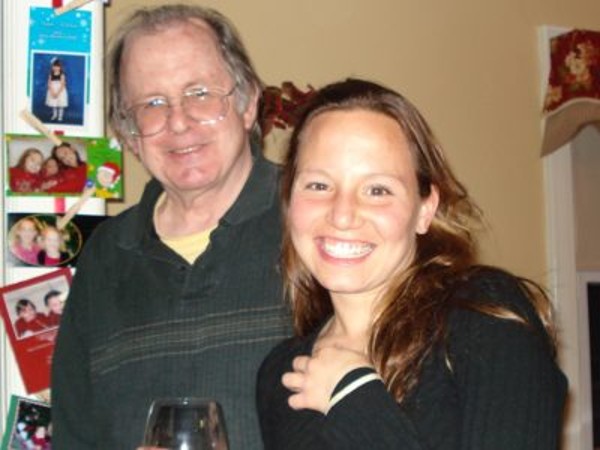
I too had my share of staring and pointing experiences with my daughter Nava. As a child who stuttered (and still does as an adult) Nava always talked for herself when out in public. She was outgoing and loved talking to people. When we went to a restaurant or take-out eatery she ordered for herself. And people on line or near enough to hear would whisper and stare. It naturally bothered me but never to the point where I would speak for her as some people had suggested I do in order to avoid the ‘embarrassment’.
As her parent I was clear in my goals for raising her – encourage her independence and help her feel good about herself. Talking for her would sabotage both of those goals. She has a great personality and the last thing I wanted was for her stuttering to inhibit her in any way. She never hesitated to talk, which was great. I certainly wasn’t going to put my discomfort on her.
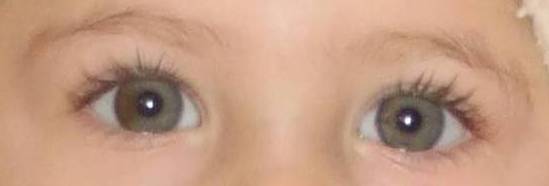
She seemed oblivious to the stares and whispers or maybe it just didn’t bother her. But I had to deal with it for myself and her. Of course it hurt me that she got stared at. Just as when she was a baby her crossed eyes and delayed development prompted those uncomfortable gestures by others. At that time going to the park was a painful ordeal for me as my own discomfort took in every look, be it intentional or not.
I had a client years ago whose baby was born without arms. It was summertime and she often took him to the beach. She would not allow those stares (you can imagine the intensity here) to stop her from giving her baby the normal experiences of beach play. She hadn’t even had all that much time to deal with her grief (he was only 18 months at the time) but she pushed through the extreme discomfort for the greater value of normalizing her child and his experiences.
So how can we best learn to deal with the stares, finger-pointing and whispers that external differences unfortunately seem to attract?
- By doing our own internal work in coming to {some} terms with the situation. When we can accept the situation more, those outside negativities have less impact on us.
- By feeling grounded and strong in our values, goals and beliefs in what we want for ourselves or our loved one, the uncomfortable stares will not penetrate us. We will not take it in.
- By acknowledging that yes, it is uncomfortable and not nice (to say the least) and we can choose to not let it affect us. Nobody forces us to feel a certain way; it is up to us in how we respond. We don’t gyp ourselves of experiences, hide out or avoid and therefore lose out. If we continuously avoid or isolate then we know we have more work to do. We certainly don’t want stares, comments and snarls to imprison us.
- By focusing on our best selves and showing that to the world. With Nava it’s her smile, charm and friendliness. With Candida it’s her heart – “I smile and always try to show them the woman underneath the scars.”
Thanks for stopping by. Love to hear your thoughts here. How have you or anyone you know dealt with those uncomfortable stares? What helps push you through the discomfort?